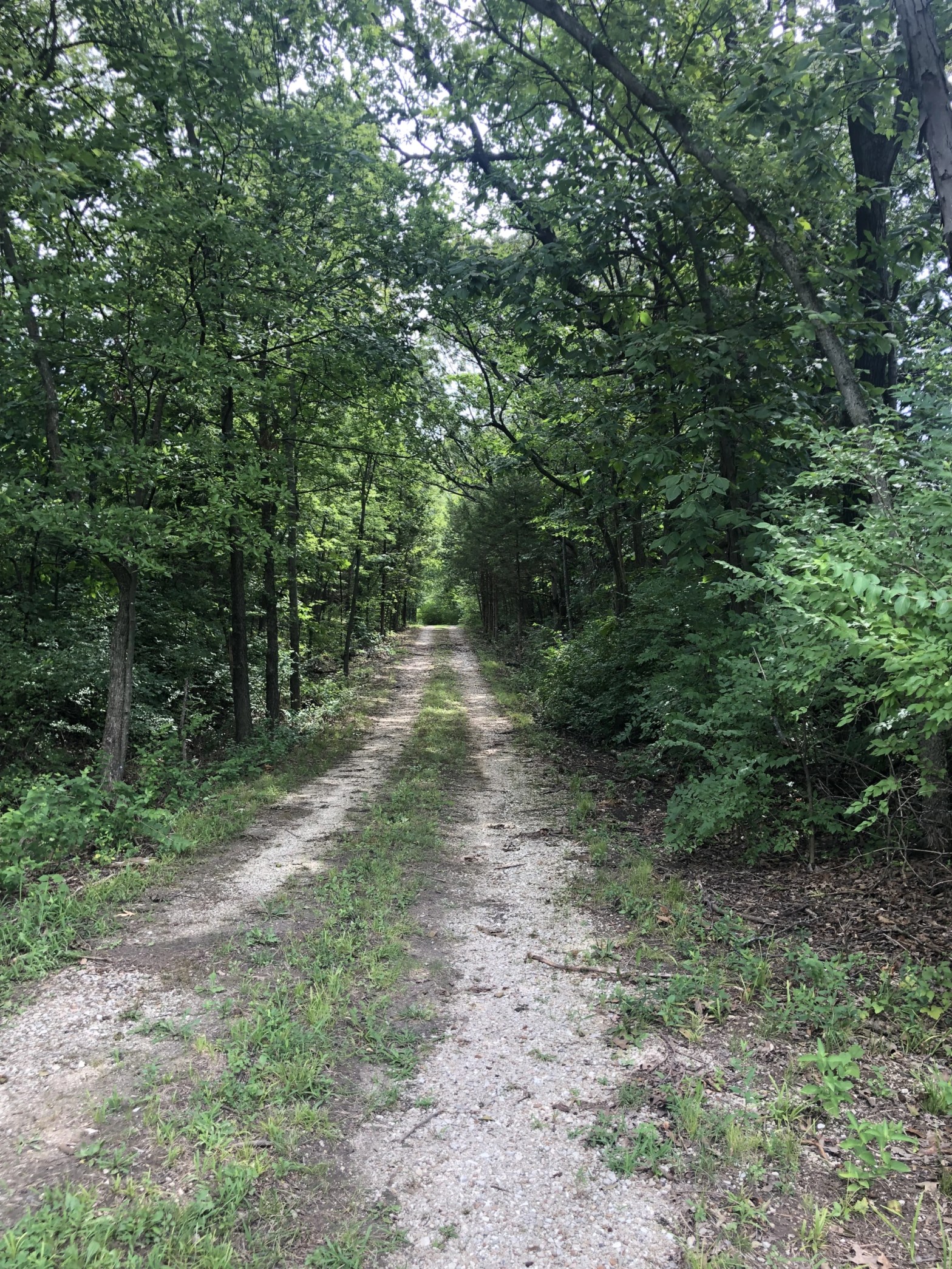
St. Charles County began before the Louisiana Purchase in 1804, became a Territory in 1814, and was part of the slave state of Missouri when it entered the Union in 1821. The Cuivre Township was flat land and prairie, and was excellent for the crops of tobacco and hemp, the major crops of the first settlers that came from the states of Virginia, Kentucky, and Tennessee. These early settlers brought their enslaved with them, where they would have anywhere from one to fifty enslaved people working their farms and plantations.
By the time of the Civil War, the area had experienced a large growth of immigrants from Germany, of which many joined the Union cause. Several were considered abolitionists by their neighbors and the Underground Railroad Network existed in many directions. A border state, Lincoln’s Emancipation Proclamation did not give freedom to the enslaved in Missouri in January of 1863, though it did provide for Colored Troops to be formed for the Union Army.
If an enslaver allowed his men to join, he would receive a $300 Bounty from the government for the services of his man, who would be emancipated. However, not all wealthy Confederate sympathizers would give that permission, and at we know at least three men, Benjamin Ogelsby, Smith Ball, and Martin Boyd who would risk their lives, and by using the Underground Railroad Network to Freedom, seek enlistment in the U.S. Colored Troops during the Civil War.
After the Civil War ended, those who had served in the U.S. Colored Troops of the Union Army returned home to their families. Nine families would pool their funds and serve as Trustees to establish the Smith Chapel A.M.E. Church. In 1871, the original deed established that one-third of the property was to be used for the church, one-third for a cemetery, and one-third for a schoolhouse; however, all that remains today is the cemetery, where over 100 graves for their loved ones are found.
This website for this African American cemetery has been established to share the history, educate our community, and acknowledge this history. In 2024, the Smith Chapel Cemetery was listed on the National Underground Railroad Network to Freedom as one of the 800+ plus sites for which legislation titled the National Underground Railroad Network to Freedom Act of 1998 was passed, creating the Network to Freedom program. This program honors, preserves, and promotes the history of resistance to enslavement through escape and flight, which continues to inspire people worldwide. Through its mission, the Network to Freedom helps to advance the idea that all human beings embrace the right to self-determination and freedom from oppression.
 Smith Chapel Cemetery